What Conditions Urgent Care Clinics in Lancaster, CA Treat
This guide explains which conditions an urgent care clinic in Lancaster, CA can typically treat and which ones need emergency care instead. Knowing the difference can save time, reduce stress, and help families get the right care faster. Many everyday illnesses and injuries are a good fit for urgent care, while some serious symptoms require a trip to the emergency room.
Common Illnesses Treated at Urgent Care
A visit to urgent care can evaluate many common illnesses that appear without warning. Patients often come in for symptoms that are uncomfortable but not life threatening. A same-day visit can provide answers and a plan of care quickly.
Cold, Flu, and Sore Throat Symptoms
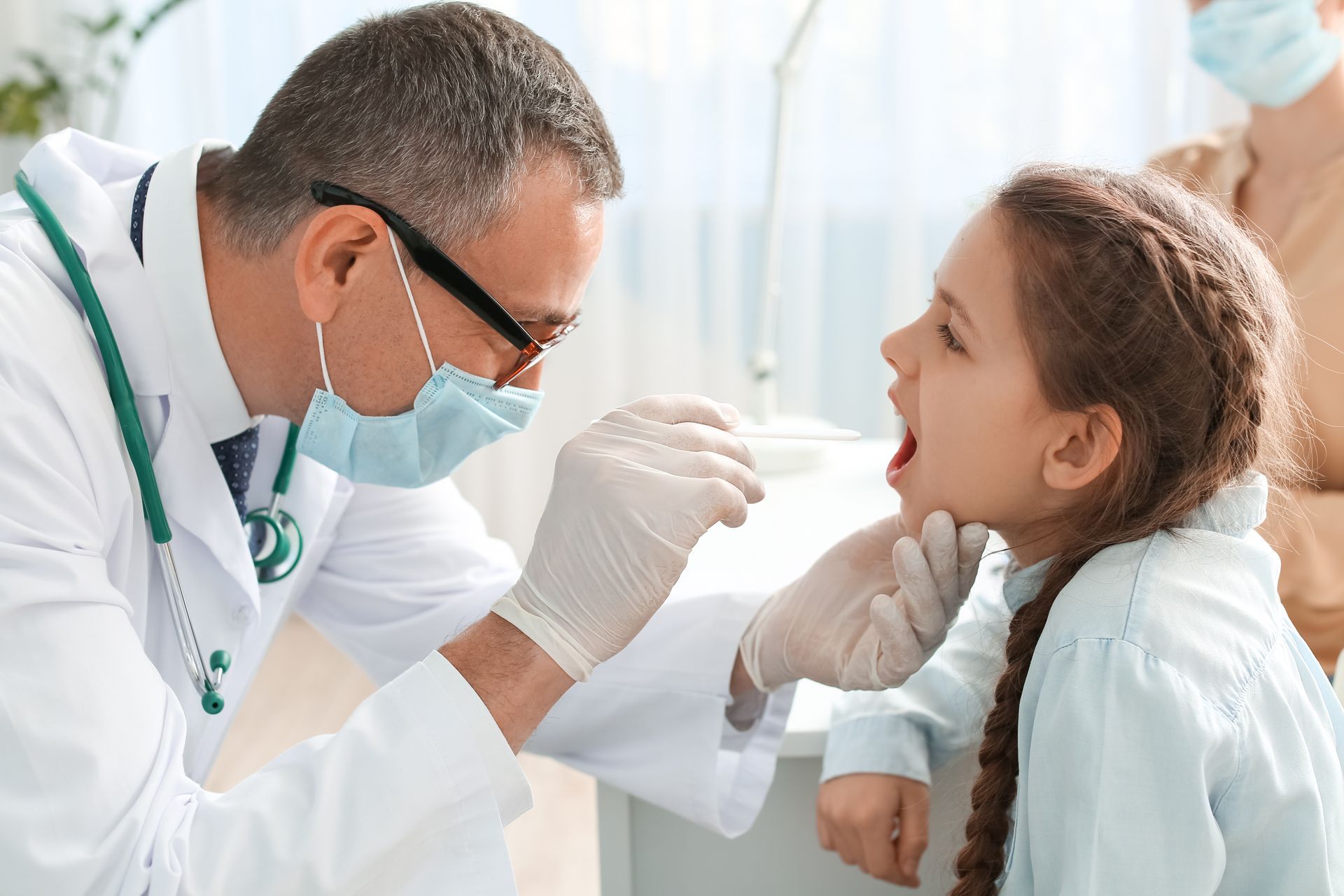
Cold and flu symptoms are among the most frequent reasons people seek urgent care. A provider can check for infection, discuss ways to ease symptoms, and explain when to follow up. Flu symptoms often include fever, body aches, and fatigue, and a clinic can help tell flu apart from other illnesses. Sore throats and fevers are also common concerns that can be evaluated the same day.
Ear and Sinus Infections
Ear pain and sinus pressure can make daily life difficult, especially for children. An urgent visit can help determine whether an infection is the cause. Sinus infections can cause facial pressure, nasal congestion, and a lingering cough. Treatment depends on the exam, the symptoms, and the patient's medical history.
Minor Injuries Treated at Urgent Care
Minor injuries are another common reason to visit urgent care. Many of these injuries heal well with prompt and careful treatment. Common examples include the following.
1. Cuts and lacerations that may need stitches.
2. Sprains and strains, such as an ankle sprain from a weekend hike in the Antelope Valley.
3. Minor fractures that may need an X-ray to confirm the injury.
4. Burns and allergic reactions that need quick attention.
Prompt care can reduce pain and support healing. Wounds should be cleaned and checked promptly to lower the risk of infection. Sprains can stay painful and swollen for several days, and a provider can advise on rest, support, and when a follow-up visit is needed. A provider can also explain the warning signs of a complication that should prompt a return visit.
Children Can Get Urgent Care Too
Children from infancy through the teen years can receive care for many common problems. Fevers, ear pain, minor cuts, and sprains are frequent reasons for a visit. A visit to an urgent care clinic can be a good option for a child, and parents can call ahead to confirm that the clinic can see their child's condition. Parents often wonder when a fever needs medical attention. A provider can review the child's age, temperature history, and other symptoms to recommend next steps.
Diagnostic Testing at Urgent Care
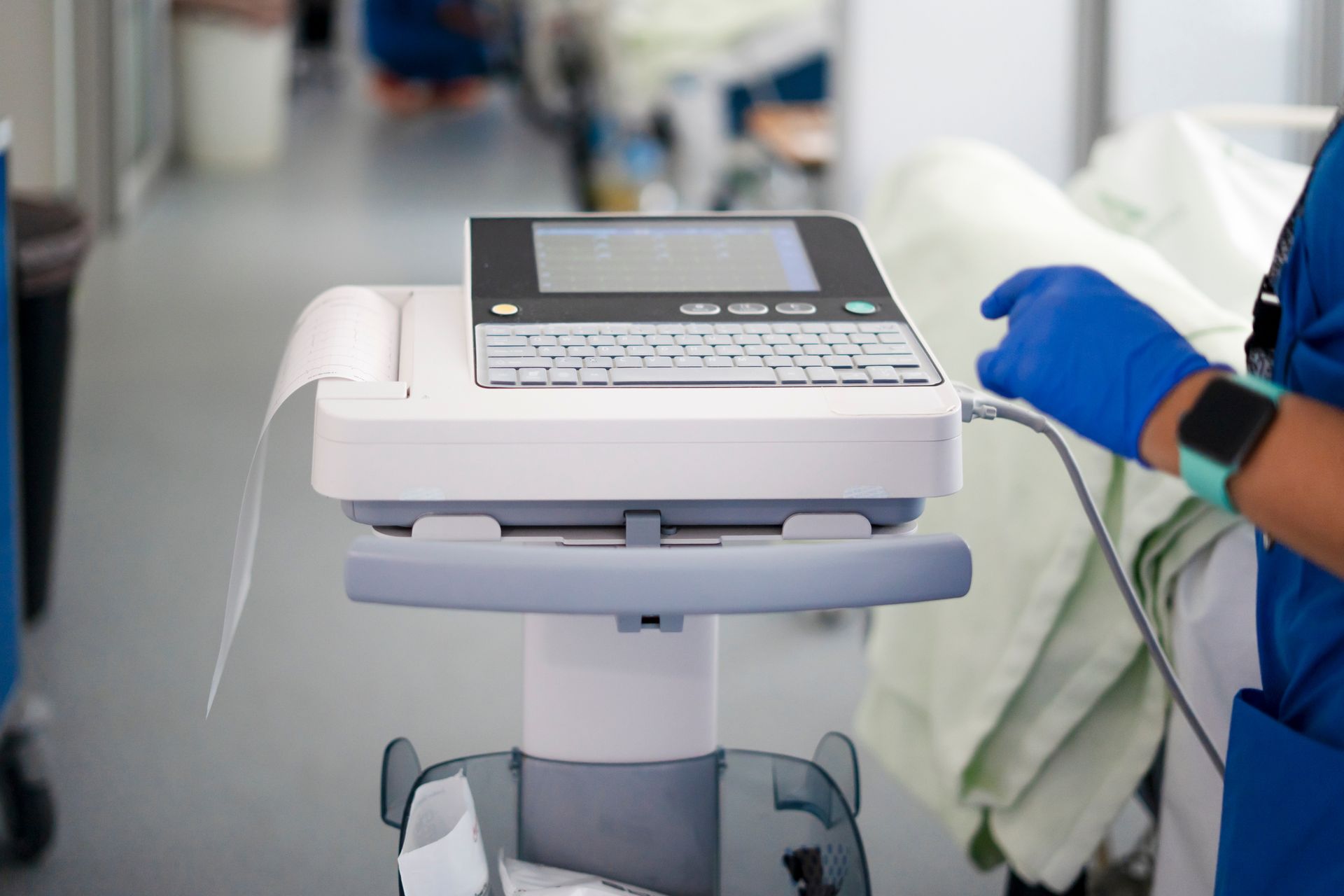
Diagnostic testing helps a provider find the cause of symptoms during a single visit. Many urgent care settings offer on-site tests, which can save a return trip. Common options include lab work, digital X-rays, and testing for flu and COVID-19. An X-ray can show whether a bone is broken, while lab tests can help identify infections or other causes of symptoms.
Test results help providers choose the right treatment plan. Patients can often start care sooner when testing is available on site.
Symptoms That Need Emergency Care Instead
Some symptoms require emergency care rather than an urgent care visit. Acting quickly on these signs can make a critical difference. Call 911 right away if you notice any of the following. Waiting too long with these symptoms can make a condition harder to treat.
▸Chest pain or pressure that spreads to the arm, jaw, or back.
▸Trouble breathing or severe shortness of breath.
▸Signs of a stroke, such as face drooping, arm weakness, or slurred speech.
▸Severe bleeding that does not stop after firm pressure.
▸Fainting, sudden confusion, or a seizure.
If you are unsure whether a symptom is an emergency, call 911 or go to the nearest emergency room. An urgent care clinic is not designed for life-threatening conditions.
How to Decide Where to Go First
A quick symptom check can help you choose the right type of care. Start by asking whether the problem could be life threatening. If it could be, emergency care is the safer choice.
If the problem is not life threatening, think about how long the symptoms have lasted and how severe they feel. Persistent or worsening symptoms are a good reason to be seen. Write down when symptoms started, what makes them better or worse, and any medications taken. This information helps a provider make a faster decision. Calling ahead can also help confirm whether urgent care is the right fit for your condition.
Getting Care Near Home in Lancaster, CA
Residents across Lancaster and the Antelope Valley often need care for same-day problems that cannot wait for a regular appointment. An urgent care clinic in Lancaster offers a practical option for these situations. To learn more about the services offered, visit the
urgent care services page.
Next Steps for Urgent Care in Lancaster, CA
Knowing which conditions fit urgent care helps patients act with confidence. Family First Medical Practice serves patients in Lancaster, CA, and the surrounding Antelope Valley. Call (661) 341-3800 to ask whether an urgent care visit fits your symptoms, or visit the contact page to reach the team.